Phulkari: A Living Archive
Preserving the stories carried through cloth
Phulkari (ਫੁਲਕਾਰੀ), which translates into English as “flower work,” is an embroidery tradition rooted in Punjab, the historic region arbitrarily divided by Empire to create present day India and Pakistan. Traditionally found covering handmade shawls, it has become a visual symbol of Punjabi culture with contemporary uses ranging from clothing to home decor.
For generations, phulkari has been shaped by women and passed down through families and communities. A tradition practiced within the home, these textiles marked important moments in a woman’s life – from birth and marriage to other familial milestones.
What is Phulkari?
A record of skill, memory, and life in Punjab. Its stitches carry stories of the person who made it, the people who wore it, the fields that inspired it, and the occasions it marked. Passed down within families, it connects generations through the memories held in its fabric.
Phulkari: A Living Archive is a community archive created to help preserve the stories and art of those who came before us.
Phulkari is material culture.
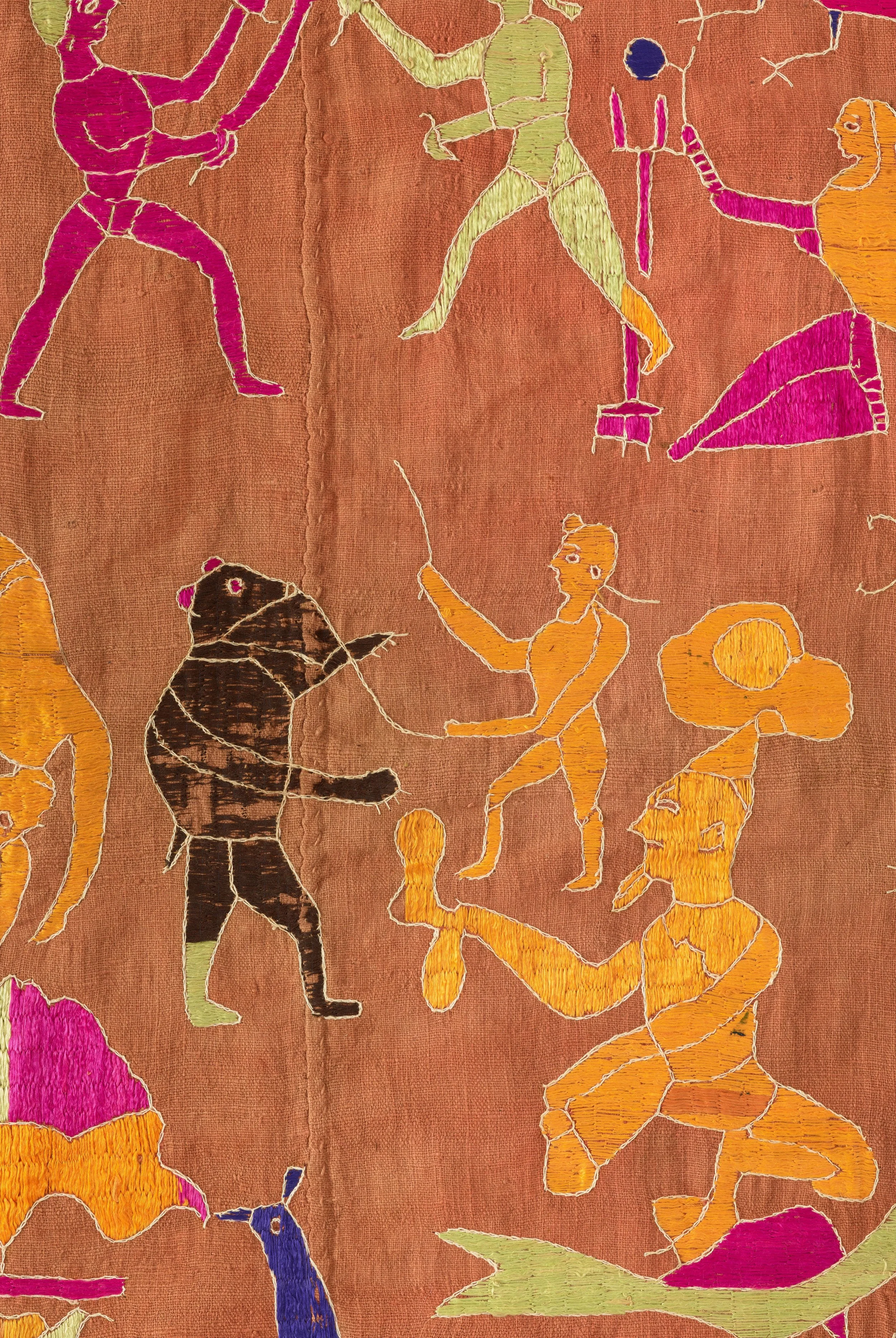
Sainchi Phulkari, Philadelphia Museum of Art
Unlike the phulkaris most commonly found in markets today, phulkari is traditionally embroidered from the reverse side of the cloth using a counted-thread technique, often with variations of the darning stitch. The embroiderer works with the back facing her, counting the fabric’s threads to build a pattern on the other side. The cloth itself provides the grid: counting its threads guides the length and placement of each stitch, allowing repeating patterns to emerge without a drawn outline. As the embroiderer works, the design gradually takes shape on the front. In its truest form, phulkari requires its artist to count, repeat, and hold the pattern in mind.
While geometric floral patterns are most commonly associated with phulkari, the patterns that appeared on older phulkaris varied. Designs were often inspired by what women saw around them, from wheat and mustard fields to animals, people, objects and scenes from everyday life.
Looking at phulkaris over the years can give us a glimpse into how they interpreted their world through thread.
Why create a community archive?
Today, many historic phulkaris are held in private collections, often far from the families and communities they came from – a legacy of colonial extraction, commodification, and trade. Still, many phulkari pieces remain within families, carrying personal stories and memories that are not always documented elsewhere.
Part of that story is also one of movement and displacement. The Partition of Punjab in 1947 meant many phulkaris were left behind, lost, or destroyed as families were forcefully uprooted and migrated away from the land they called home for generations.
With Phulkari: A Living Archive, we hope to center the stories that have stayed within families. We want to understand not only what a phulkari looks like, but who made it, who wore it, where it came from, whose hands it passed through, and why it has been kept. Phulkari is like a language, and like any language, it can only survive as long as it has speakers. This archive is our attempt to preserve that language.
A name, a location/place, a family memory, an approximate date, or even an unanswered question can all add something meaningful to the story.
Share Your Phulkari’s Story
We’re building a community archive of hand-embroidered phulkaris and surviving fragments preserved within families, rather than acquired on the open market — centering the stories, relationships, and memories carried alongside the cloth.
Every phulkari holds a history, even when parts of that history are no longer known. This archive brings together photographs and stories of phulkaris passed through families, preserving the memories, relationships, and work they carry.
You do not need to know who made your textile or exactly how old it is to contribute. Family recollections, approximate dates, and unanswered questions are all welcome.
Each contribution helps us better understand the many ways phulkari has been made, worn, gifted, carried, remembered, and kept across families and communities. Together, these stories can help build a fuller picture of phulkari through the people who have cared for these pieces over time.
Art of Phulkari
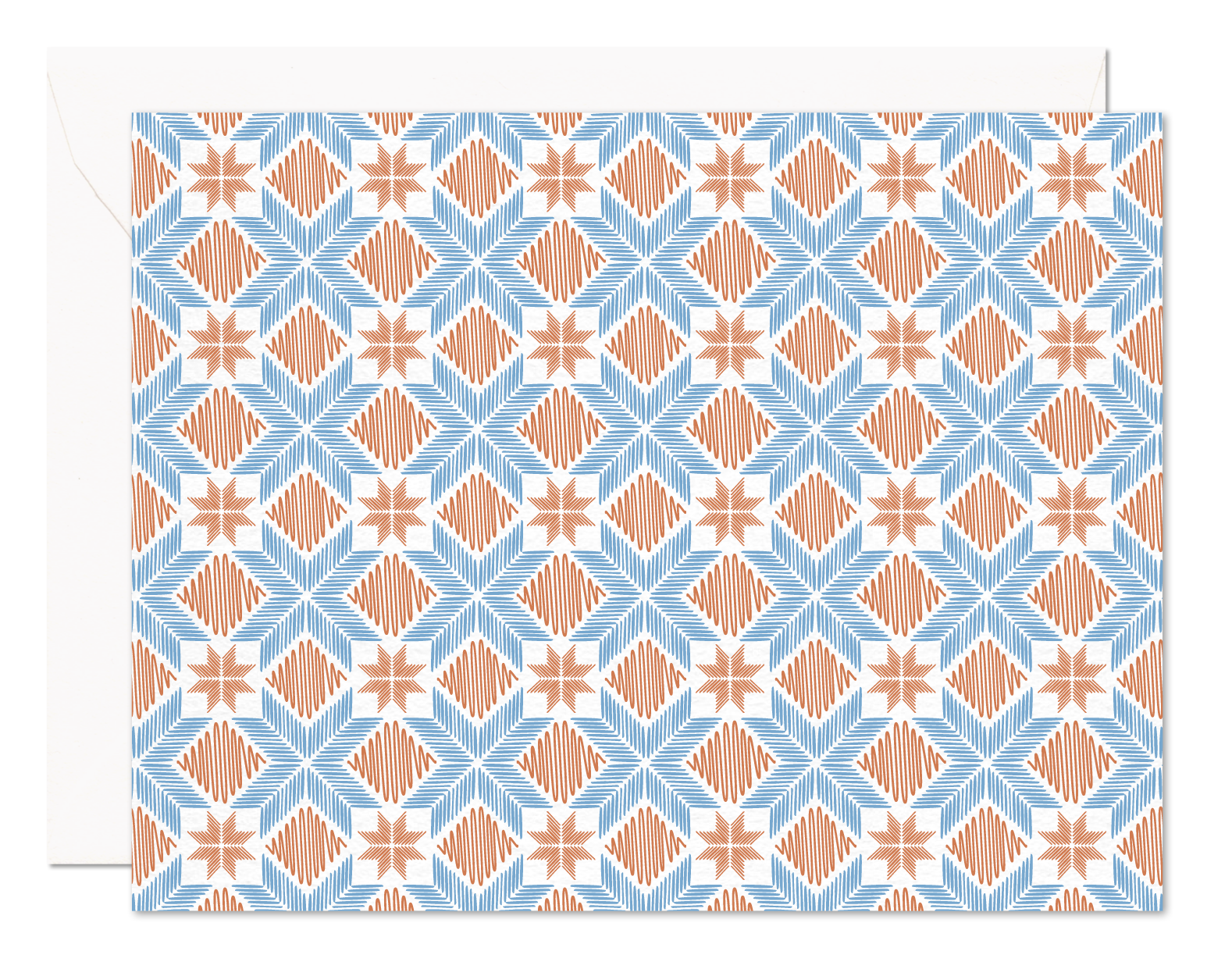
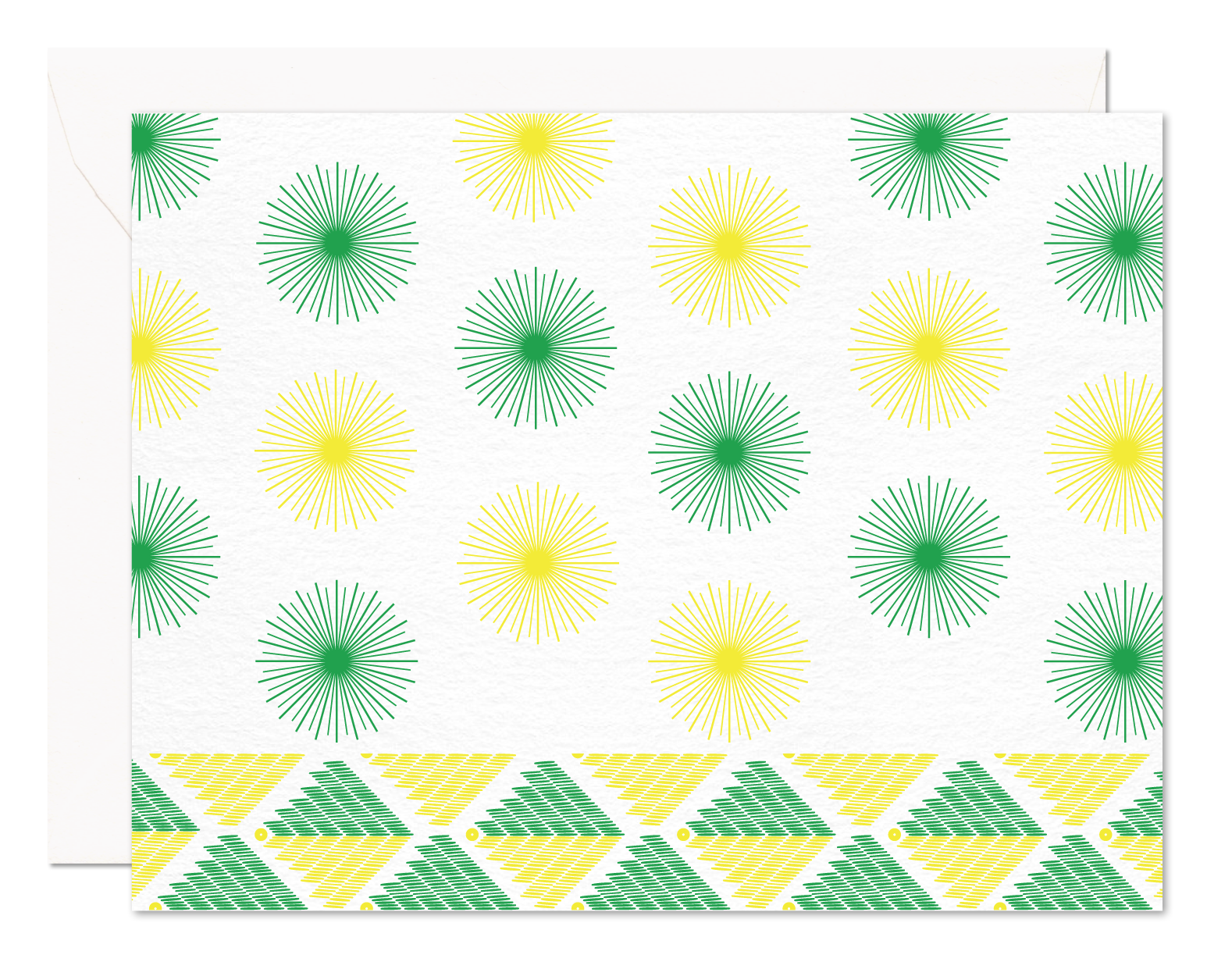
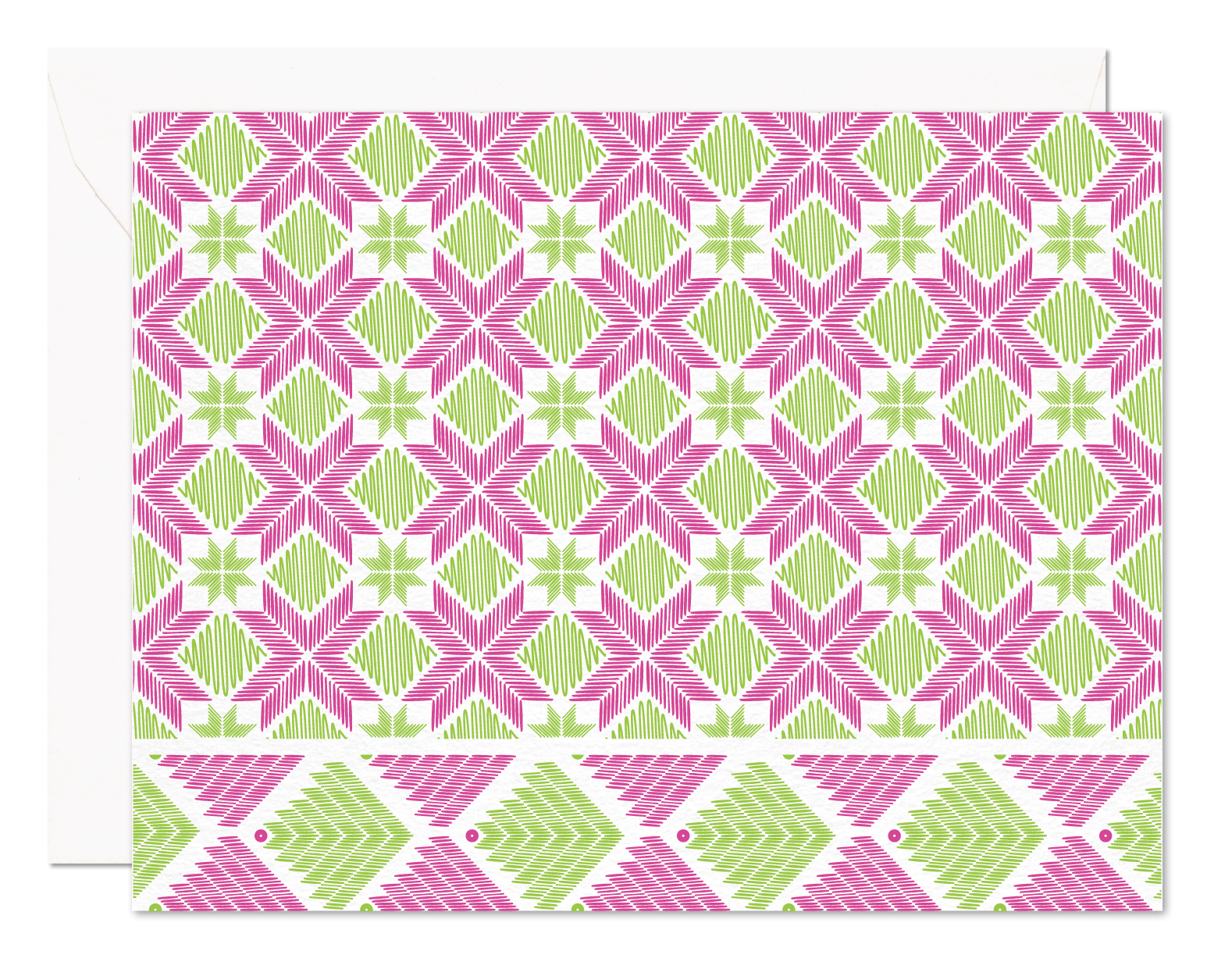
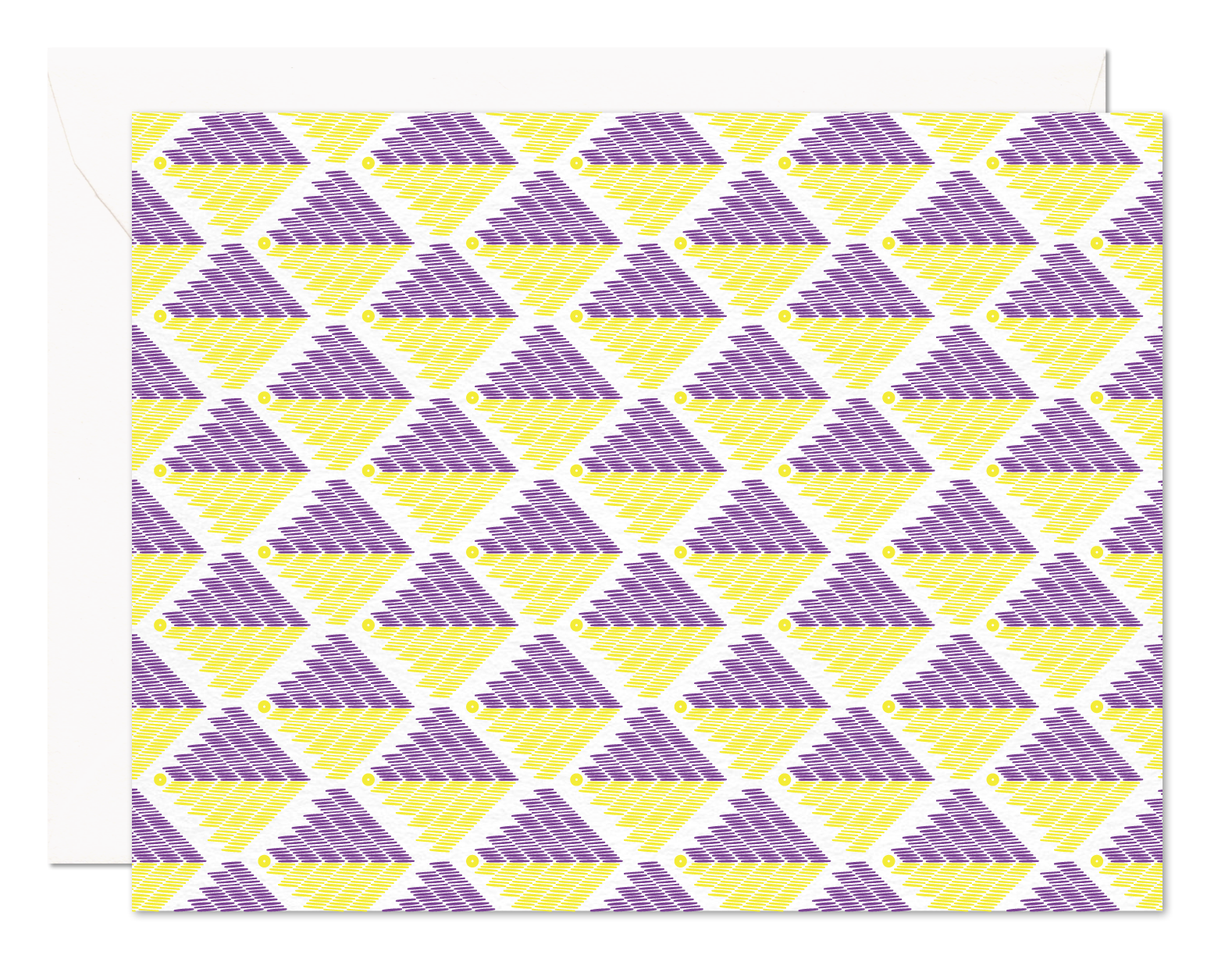
Phulkari: A Living Archive is a part of a broader project exploring the history, people, and traditions of phulkari by Manpreet Kaur Kalra. You can explore her collection of letterpress cards inspired by phulkari motifs, which reimagine elements of the tradition through another tactile, handmade medium.